
Fungal infections are among the common health issues that can affect cats of all ages. They usually appear on the skin or coat and may spread to other animals and, in some cases, humans. Early detection is essential for effective treatment.
What Are Fungal Infections in Cats?
Fungal infections are caused by microscopic fungi that affect a cat's skin, hair, or nails. Ringworm is one of the most common fungal diseases in cats.
Causes
Contact with infected animals.
- Weak immune system.
- Poor hygiene or humid environments.
- Crowded living conditions.
- Young or elderly age.
Symptoms
- Common signs include:
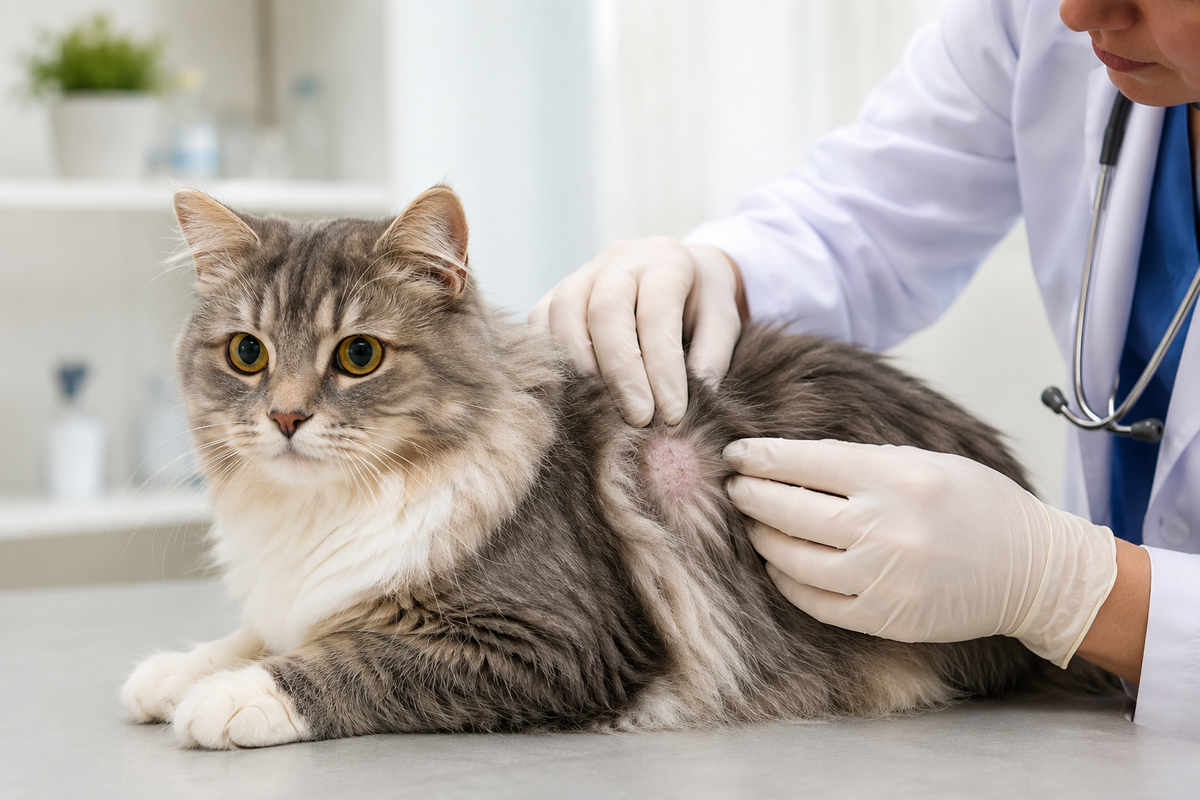
- Circular hair loss patches.
- Bald spots on the coat.
- Red or flaky skin.
- Frequent scratching.
- Skin scaling.
- Dull coat appearance.
Diagnosis
Veterinarians may use skin examinations, Wood's lamp testing, or laboratory analysis to identify the infection.
Treatment
Treatment may include:
- Antifungal medications.
- Medicated shampoos.
- Topical creams.
- Environmental cleaning and disinfection.
- Isolation of infected cats when necessary.
- Always complete the prescribed treatment even if symptoms improve.
Prevention
- Maintain good hygiene.
- Clean bedding and accessories regularly.
- Avoid contact with infected animals.
- Provide balanced nutrition.
- Schedule regular veterinary checkups.
When to Visit a Veterinarian
Seek veterinary care if you notice unusual hair loss, skin lesions, or persistent itching.
Conclusion
Fungal infections in cats are treatable when detected early. Proper hygiene, nutrition, and veterinary care play an important role in protecting your cat's health.