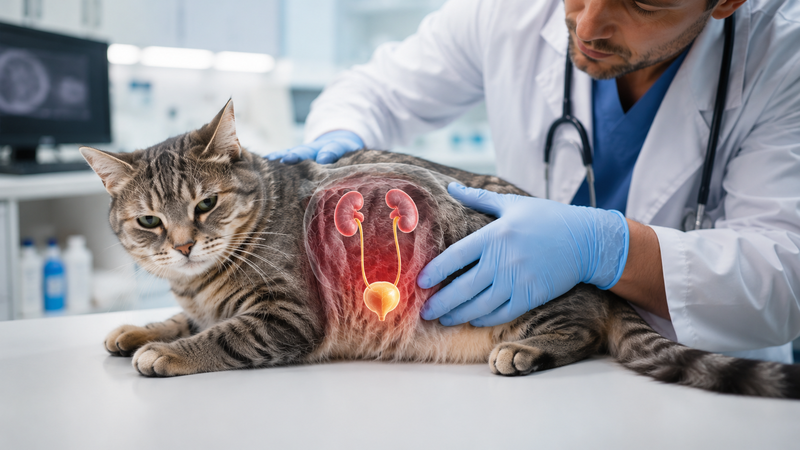

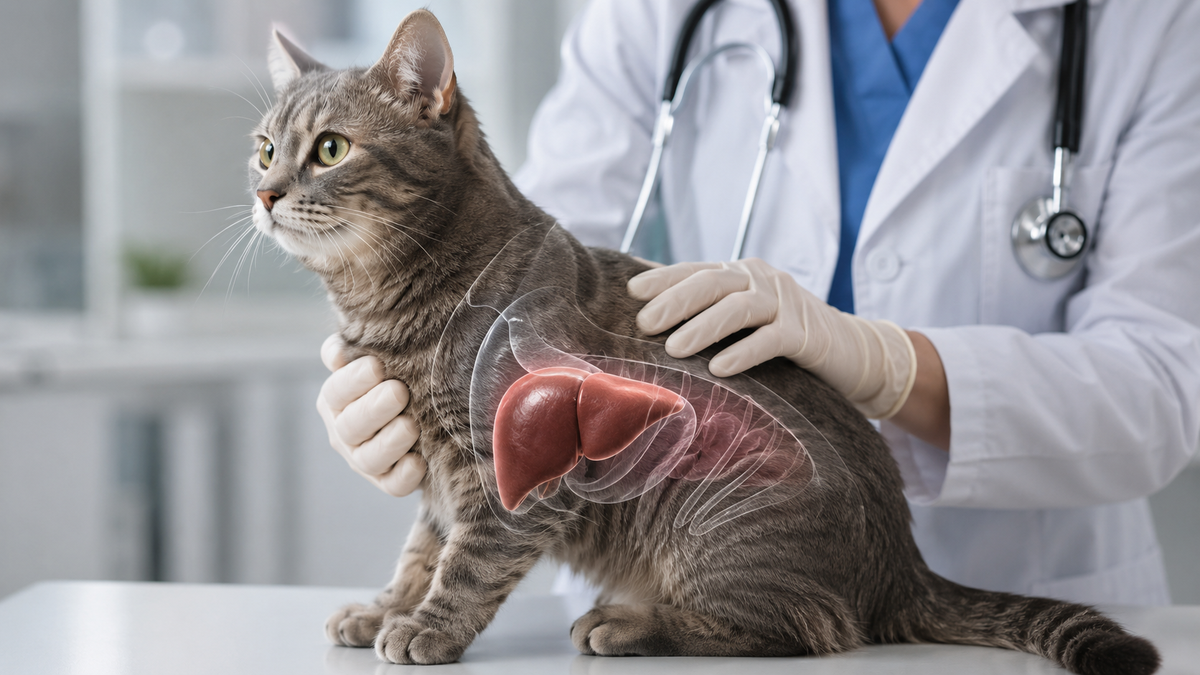
The liver is one of the most important organs in a cat's body. It helps remove toxins, stores energy, produces essential proteins, and supports digestion. Liver diseases can significantly affect a cat's overall health.
Symptoms
- Loss of appetite
- Weight loss
- Lethargy
- Vomiting
- Diarrhea
- Yellowing of eyes or gums
- Increased thirst and urination
- Abdominal swelling
- Excessive drooling
- Behavioral changes
Causes
- Hepatic lipidosis (fatty liver disease)
- Bacterial or viral infections
- Toxic substances
- Medication toxicity
- Tumors
- Chronic diseases affecting other organs
Diagnosis
Veterinarians may use:
- Physical examination
- Blood tests
- Ultrasound
- X-rays
- Liver biopsy
Treatment
Treatment depends on the underlying cause and may include:
- Prescription liver diets
- Intravenous fluids
- Antibiotics
- Liver-support supplements
- Anti-nausea medications
- Treatment of the primary disease
Prevention
- Feed high-quality cat food
- Maintain healthy body weight
- Avoid prolonged fasting
- Keep toxins out of reach
- Schedule regular veterinary checkups
Conclusion
Early diagnosis and proper treatment greatly improve outcomes for cats with liver disease. Balanced nutrition and regular veterinary care are essential for maintaining liver health.