
As cats grow older, their nutritional, health, and behavioral needs change. Providing proper care becomes essential to maintain their health, comfort, and happiness. Most cats are considered seniors once they reach 10 years of age, and natural age-related changes may begin to appear.
Signs of Aging in Cats
You may notice some of the following signs in your senior cat:
- Reduced activity and movement.
- Sleeping for longer periods.
- Declining hearing or vision.
- Changes in appetite.
- Weight loss or weight gain.
- Difficulty jumping or climbing.
- Gray hairs appearing around the face in some cats.
These changes are often a normal part of aging, but they require extra attention to ensure your cat remains comfortable and healthy.
Proper Nutrition for Senior Cats
Good nutrition is one of the most important factors in maintaining the health of an older cat.
It is recommended to:
- Choose food specially formulated for senior cats.
- Provide high-quality protein to support muscle maintenance.
- Maintain a healthy body weight.
- Offer smaller, more frequent meals.
- Ensure fresh, clean water is always available.
- Support joint health with appropriate nutrition or veterinarian-approved supplements.
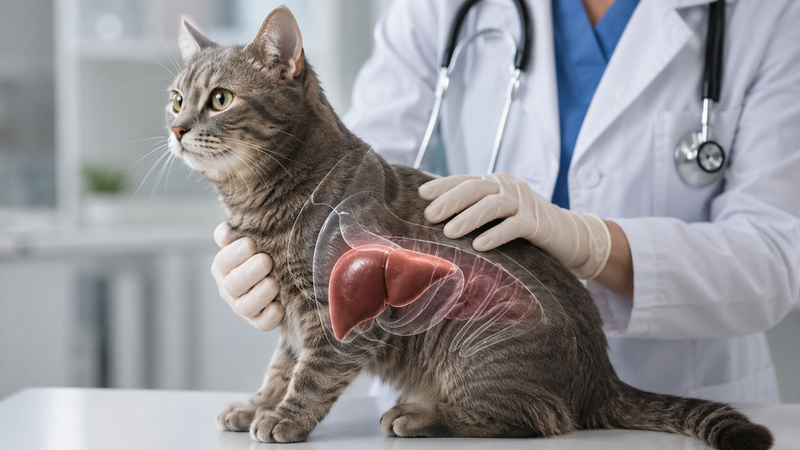
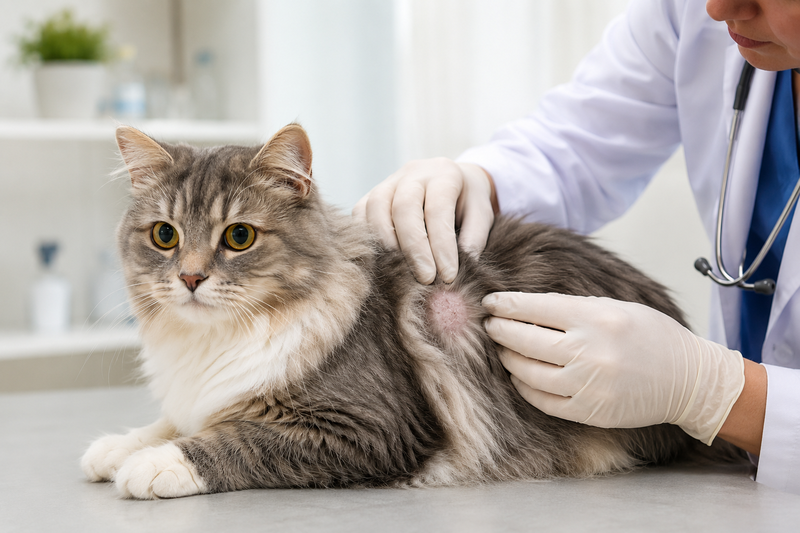
Regular Veterinary Checkups
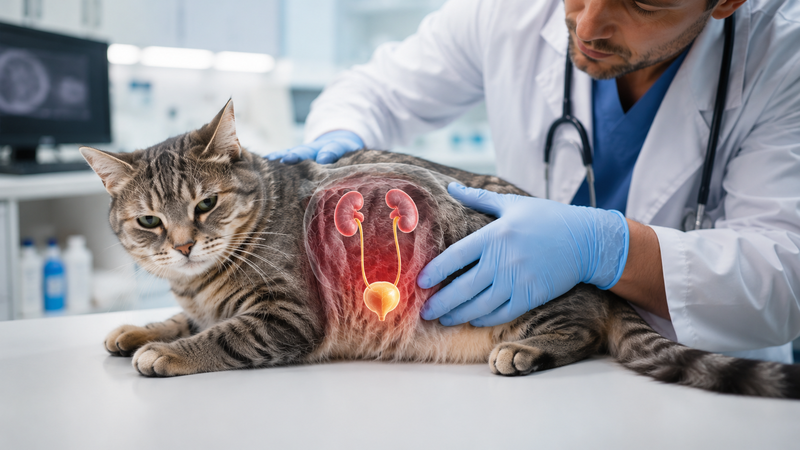
As cats age, they become more susceptible to certain health conditions, including:
- Kidney disease.
- Arthritis.
- Heart disease.
- Diabetes.
- Dental and gum disease.
- Hyperthyroidism.
For this reason, a comprehensive veterinary examination is recommended at least every six months.
Creating a Comfortable and Safe Environment
You can improve your senior cat's quality of life by:
- Providing a warm and comfortable bed.
- Keeping food and water within easy reach.
- Using a low-entry litter box.
- Installing small steps or ramps to help access favorite spots.
- Maintaining a comfortable indoor temperature.
Joint and Mobility Care
Many senior cats experience stiffness or arthritis.
To help:
- Encourage gentle movement and light play.
- Provide soft resting surfaces.
- Consult your veterinarian about joint-support supplements.
Dental Care
Dental problems can directly affect appetite and overall health.
To maintain good oral health:
- Check your cat's mouth regularly.
- Use cat-friendly dental care products.
- Visit a veterinarian if you notice bad breath or difficulty eating.
Supporting Emotional Well-Being
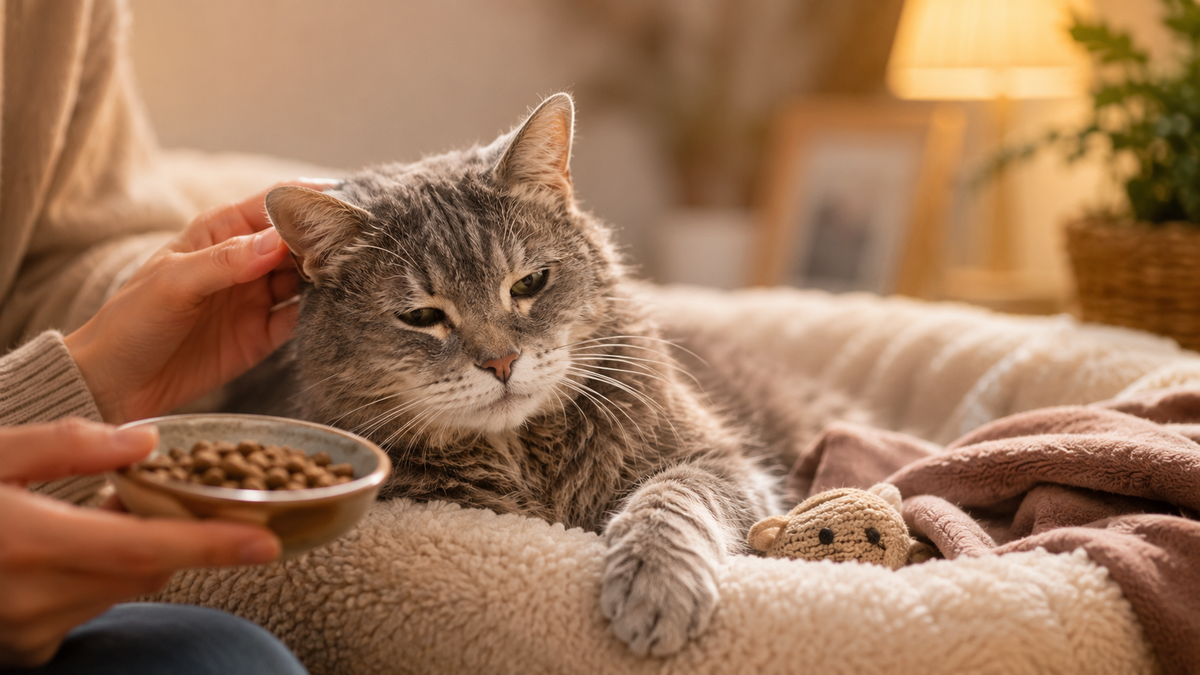
Senior cats need a sense of security and stability.
Be sure to:
- Maintain a consistent daily routine.
- Avoid sudden environmental changes.
- Spend quality time petting and interacting with your cat.
- Monitor for unusual behavioral changes.
When Should You Visit a Veterinarian?
Seek veterinary care immediately if you notice:
- Loss of appetite for more than 24 hours.
- Significant weight loss.
- Difficulty moving.
- Frequent vomiting or diarrhea.
- Increased thirst or urination.
- Sudden behavioral changes.
Conclusion
Senior cats require special care that combines proper nutrition, regular health monitoring, and emotional support. With the right attention and care, your aging cat can enjoy a comfortable, healthy, and happy life for many years.